
Black Drum and Catfish Catch in Hitchcock TX
Black Drum and Catfish Fishing in Hitchcock - What to Expect

Fishing Charter by Captain Justen Simpton in November

- Unforgettable Galveston Bay fishing!


Summary
Experience an exciting fishing charter in Hitchcock, TX on Galveston Bay with Captain Justen Simpton of Sonrise Fishing. This Thursday in October delivers premium saltwater fishing for black drum and channel catfish, showcasing the Gulf Coast's abundant species and natural beauty.
Fishing Charter with Captain Justen Simpton - Rates & Booking
Captain Justen Simpton of Sonrise Fishing welcomes anglers to the productive waters of Galveston Bay on Thursday, October 22nd. This fishing charter targets the region's most prolific species in an environment where success and unforgettable moments are virtually guaranteed.
Whether you're a seasoned angler or stepping onto a charter boat for the first time, Captain Simpton brings decades of local expertise to every trip. His intimate knowledge of Galveston Bay's structure, seasonal patterns, and prime fishing grounds ensures you're fishing where the fish are biting. All essential gear and tackle are provided, allowing you to focus entirely on the experience of landing these powerful saltwater species.
Contact Sonrise Fishing to reserve your spot and learn about specific pricing, group accommodations, and what's included in your charter package. Book online or call for immediate availability on this prime Gulf Coast fishing date.
Highlights of Your Galveston Bay Fishing Experience
Black drum are the stars of October fishing in this region. These bronze-backed powerhouses cruise the shallow bays and structure with their distinctive barbels and heavy frames. The thrill of feeling one take your line and the battle that follows is what keeps anglers returning season after season. Channel catfish add another dimension to the catch, with their aggressive strikes and spirited runs providing non-stop action throughout the day.
The dock in Hitchcock becomes a celebration point as your catch is displayed against the backdrop of working waterfront culture. Standing with your haul, the Gulf breeze in your face, you're part of a fishing tradition that runs deep in Texas coastal communities. This is where effort meets reward, where skill and patience translate into memories that last far longer than the trip itself.
Local Species Insights: Black Drum and Channel Catfish
Galveston Bay serves as prime habitat for black drum, a species that thrives in the brackish and saltwater environments where freshwater rivers meet the open Gulf. These fish are structure-oriented, preferring areas with rocks, oyster reefs, pilings, and drop-offs where they forage for crustaceans and small fish. Black drum possess a distinctive appearance with their dark bronze coloring and heavy, barrel-shaped bodies. They're equipped with powerful pharyngeal teeth perfect for crushing shells, and their barbels help them sense food along the bottom. Adult drum can reach impressive sizes, and their strength when hooked makes them a thrilling target for any angler.
The Galveston Bay ecosystem creates the perfect conditions for both drum and catfish. Nutrient-rich waters attract baitfish that feed the larger predators. The shallow flats, deeper channels, and structural elements scattered throughout the bay offer diverse fishing opportunities. Black drum typically school in predictable zones depending on tide and season. October's cooler water temperatures trigger feeding activity as fish prepare for winter months.
Channel catfish share the bay's resources and respond aggressively to live and cut bait presentations. These bottom feeders possess keen sensory abilities, using taste buds distributed across their skin to locate food in low-visibility conditions. Their whiskered appearance and olive-to-slate coloring make them instantly recognizable, and their powerful runs when hooked deliver genuine excitement to the fight.
Captain Simpton's knowledge of these species extends to reading the water, understanding tidal movements, and positioning the boat where fish congregate. His experience with seasonal patterns means your charter is timed when conditions favor success and the action remains consistent throughout your day on the water.
Fishing in Galveston Bay, Texas Gulf Coast, TX, United States: Channel Catfish and Black Drum
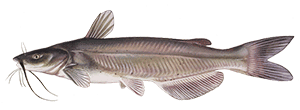
Channel Catfish Overview
The Channel Catfish (Ictalurus Punctatus), a member of the family Ictaluridae and order Siluriformes, stands out as one of North America's most beloved and resilient gamefish. These whiskered warriors are easily recognized by their slime-covered bodies, prominent barbels, and deeply forked tails that cut through the water like an upside-down V. What makes them truly remarkable is that their entire body is covered in taste buds—yes, their skin can literally taste—which gives them an almost supernatural ability to hunt in the murkiest conditions. Channel Catfish have been a staple for anglers across countless rivers and lakes for generations, and their reputation for hard-fighting spirit combined with their willingness to bite makes them an excellent target for both novice and experienced fishermen alike.
Channel Catfish Habitat and Distribution
Channel Catfish thrive in a wide variety of freshwater environments, showing a strong preference for reservoirs, lakes, and river systems throughout North America. These adaptable fish are particularly fond of areas with structure—river bends, deep channels, rocky wrecks, and tidal mouths all provide ideal habitat. They prefer warm waters and can tolerate both clear and muddy conditions, though they seem equally content in either. Look for them near debris piles, hollow logs, and underwater cavities where they like to hide and spawn. Across the continent, from small regional waterways to major river systems, the Channel Catfish has established itself as a native species that's become synonymous with successful weekend fishing trips.
Channel Catfish Size and Weight
Most Channel Catfish anglers can expect to land fish ranging from 15 to 25 inches in length, typically weighing between 2 to 4 pounds. However, these fish can grow significantly larger under the right conditions. Many seasoned anglers consider a 10-pound specimen admirable, while a 20-pounder is truly impressive. Historical records show Channel Catfish have been documented at weights approaching 58 pounds, though such trophies are exceptionally rare. The average catch provides excellent action and sport, making them perfect for a satisfying day on the water without requiring specialized equipment or extreme dedication.
Channel Catfish Diet and Behavior
Channel Catfish are opportunistic omnivores with remarkable sensory capabilities. They spend much of their time feeding along the bottom, searching for vegetation, aquatic insects, snails, crawfish, seeds, and smaller fish. As they mature, their diet becomes increasingly varied and their appetite more aggressive. What sets them apart behaviorally is their reliance on taste rather than sight—their barbels and taste-bud-covered bodies allow them to navigate and hunt effectively even in total darkness or cloudy water. They communicate with each other through sound waves, creating clicks and grunts that serve various social functions. During daylight hours, they often retreat to deeper holes and cavities, becoming more active at dawn, dusk, and throughout the night. This nocturnal tendency makes evening and night fishing particularly productive.
Channel Catfish Spawning and Seasonal Activity
Channel Catfish are most active during warmer months, with peak feeding and spawning occurring in spring and summer when water temperatures climb. Spawning typically happens in late spring when they seek out cavities, crevices, and hollow structures to deposit eggs and protect them from rushing currents. Males become particularly aggressive during this period, actively defending nesting sites. Fall and winter see reduced activity, though hungry Channel Catfish will still bite under the right conditions. The species grows best in warm environments, so understanding seasonal temperature changes in your local water helps predict when and where to find them most reliably.
Channel Catfish Techniques for Observation and Capture
Bait Selection and Rod Setup: The most effective approach involves using stinkbait, which appeals specifically to Channel Catfish due to its pungent amino acid profile—particularly L-Arginine and L-Alanine—that creates an irresistible scent trail. Alternative baits include cheese-based fibrous preparations, live minnows, and worms. Pair your bait with a 7 to 7.6-foot fishing rod featuring a strong backbone capable of handling their weight and powerful runs. Sharp, oversized treble hooks are essential for penetrating their notoriously hard mouths and preventing escape. Cast near structure—river bends, debris piles, and channel drop-offs—and let your bait settle to the bottom where these bottom-feeders naturally hunt.
Location and Timing: Fish river tidal mouths and bends during slack tide or incoming water when Channel Catfish are most active. Early evening through midnight represents prime fishing time, though they'll bite throughout the day if conditions are right. Position yourself near wrecks, submerged logs, or deep holes where they shelter. Around major rivers and reservoir systems, focus on transition zones where shallow flats meet deeper channels—these are natural highways for foraging fish.
Handling and Safety: Once hooked, Channel Catfish fight hard and can be slippery due to their protective slime coating. Approach them with respect: their dorsal and pectoral fins sport sharp spines capable of inflicting painful cuts. Keep a secure grip, use a net when possible, and be prepared for a spirited struggle. These fish are remarkably difficult to tire, often requiring patience and steady pressure to bring to boat or shore.
Channel Catfish Culinary and Utilization Notes
Channel Catfish have long been valued as a food fish, particularly in Southern cuisine, and they offer mild, slightly sweet white meat that's excellent when properly prepared. Fried, baked, or blackened, they provide a reliable source of lean protein. The average odds for food quality are solid, making them a practical choice for anglers interested in both sport and a fresh meal. Their sustainability as a native species and relative abundance means harvesting them responsibly supports both tradition and local ecosystems. Always check local regulations regarding size and bag limits to ensure ethical and legal harvest.
Channel Catfish Frequently Asked Questions
Q: What is the best bait for catching Channel Catfish?
A: Stinkbait is widely considered the gold standard due to its powerful amino acid scent profile that Channel Catfish find irresistible. However, live minnows, chicken liver, and cheese-based baits also produce excellent results. The key is using something with a strong scent that will disperse through the water column, allowing these taste-sensitive fish to locate your offering from a distance.
Q: What rod and reel setup do I need for Channel Catfish?
A: A 7 to 7.6-foot rod with a strong backbone and a quality baitcasting or spinning reel capable of handling 15-25 pound test line is ideal. The longer rod length allows for better casting distance and more effective presentation techniques like pitching and flipping. Ensure your rod has enough power to handle their runs and head shakes without breaking.
Q: When is the best time to fish for Channel Catfish?
A: Evening through midnight is prime time, though they bite throughout the day. Spring and summer offer the most consistent action when water temperatures are warmest. Look for them during periods of low light when they're naturally more active feeders. Overcast days can also be productive as they're less sight-dependent than other species.
Q: Where can I find Channel Catfish near popular fishing destinations?
A: Focus on river bends, tidal mouths, deep channels, and areas with submerged structure like logs, rocks, and debris piles. Reservoirs and larger lakes with significant depth variation are excellent choices. Check local fishing reports and ask at bait shops—they'll know the most productive spots in your region and current conditions.
Q: Why do Channel Catfish have those long whiskers?
A: Those barbels aren't just for show—they're sensory organs packed with taste receptors that help compensate for relatively poor vision. In murky water or darkness, these whiskers allow them to navigate and locate food with remarkable precision. Their entire body, in fact, is covered with taste buds, giving them an almost superhuman ability to detect prey.
Q: Are Channel Catfish good to eat?
A: Absolutely. They provide mild, slightly sweet white meat that's excellent when fried, baked, or blackened. They're a traditional food fish, especially in Southern cuisine, and offer good nutritional value as a lean protein source. Always follow local size and bag limit regulations, and consider harvest sustainability based on your local fishery's management guidelines.
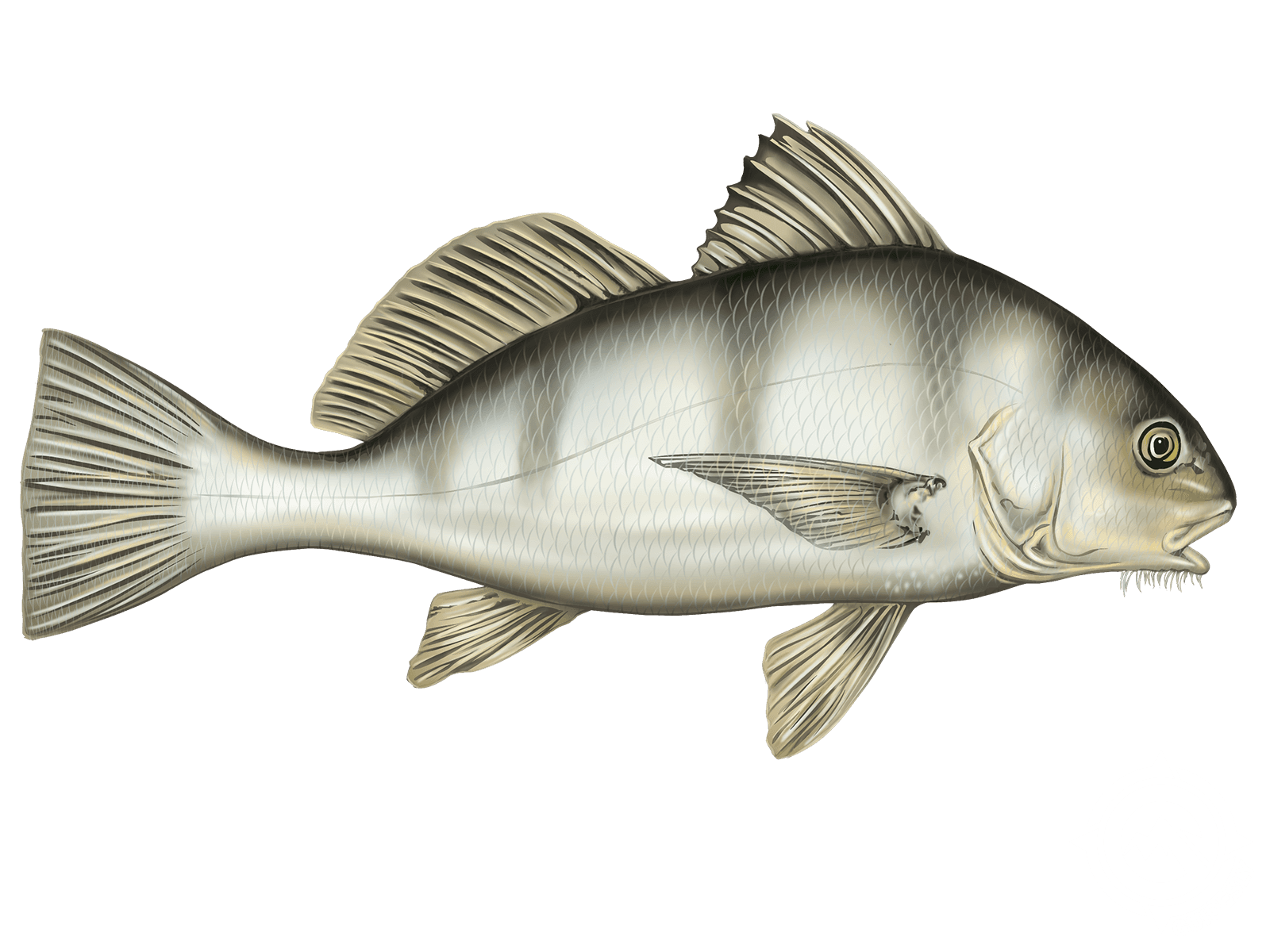
The Black Drum (Pogonias cromis) stands as the giant of the Sciaenidae family, earning its reputation through both impressive size and distinctive acoustic abilities. These remarkable fish get their name from the drumming or croaking sounds they produce, which can reach frequencies of 100 to 500 Hz during spawning season. With their powerful jaws designed for crushing shellfish and oysters, these dark-colored bruisers represent one of the most sought-after inshore game fish along the Atlantic and Gulf coasts, offering anglers both challenging fights and rewarding table fare when properly sized.
Black Drum Overview
What makes these fish truly special is their incredible adaptability and longevity. They're bottom-dwellers that can live up to 50 years, growing rapidly in their first two years and reaching sexual maturity quickly. Their robust build and crushing power make them formidable opponents for anglers, while their preference for brackish waters and estuaries puts them within reach of shore-based fishermen. The drumming sounds they make aren't just for show - they're sophisticated mating calls that help these fish locate each other during spawning aggregations, creating some of the most exciting fishing opportunities of the year.
Black Drum Habitat and Distribution
These adaptable fish have claimed territory from Nova Scotia all the way down to the Gulf of Mexico, thriving in a variety of environments. Adults prefer the saltier waters near ocean inlets and around oyster beds, where their favorite foods are abundant. Juveniles, on the other hand, seek out the less saline areas of estuaries with sandy bottoms, providing natural nursery areas. What's remarkable about these fish is their tolerance for different conditions - you might find them in extremely shallow water one day and at depths of 100 feet the next. They're particularly drawn to muddy flats, pier pilings, and creek mouths where tidal action concentrates their prey.
Black Drum Size and Weight
Size-wise, these fish offer something for everyone, typically ranging from 5 to 30 pounds, though true giants can exceed 90 pounds. The smaller specimens in the 15-pound range are considered prime table fare, while the larger fish are better suited for catch-and-release due to their tougher meat texture and stronger flavor. It's not uncommon to encounter fish in the 20 to 40-pound range during peak season, and these middle-weight bruisers provide excellent sport while still offering decent eating quality for those who know how to prepare them properly.
Black Drum Diet and Behavior
As dedicated bottom-feeders, these fish have developed powerful crushing jaws perfectly suited for their shellfish-heavy diet. Crabs, mussels, clams, and oysters make up the bulk of their meals, though they'll also take marine worms and small fish when the opportunity arises. Their feeding behavior is methodical and deliberate - they use their sensitive barbels to locate prey buried in sand and mud, then employ their impressive jaw strength to crush through shells. During feeding frenzies, particularly around oyster beds, you can sometimes hear the actual crunching sounds they make while feeding, which often gives away their location to observant anglers.
Black Drum Spawning and Seasonal Activity
Spawning season brings out the most exciting behavior in these fish, as they gather in large schools and become much more predictable in their movements. In southern regions like Texas, this typically occurs from February through March, while northern areas see peak activity from April to June. During this time, females can lay eggs every three days, and the males produce their characteristic drumming sounds almost continuously. These spawning aggregations create prime fishing opportunities, as the normally scattered fish concentrate in specific areas and become more aggressive in their feeding. The sound of dozens of drums calling simultaneously creates an underwater symphony that experienced anglers learn to recognize and locate.
Black Drum Techniques for Observation and Capture
Success with these fish comes down to three key factors: location, bait selection, and patience. Live or fresh bait works best - soft-shell crabs, peeler crabs, and fresh clam are top choices, though many anglers swear by blue crab because it doesn't attract as many bait-stealing catfish. Fish your baits right on the bottom using enough weight to hold position in current, and be prepared for a slow, deliberate bite that can easily be mistaken for a snag. For artificial presentations, slow-moving bucktail jigs work well, especially when tipped with natural bait. Fly fishing enthusiasts should opt for 9-weight rods and bottom-bouncing patterns like Clouser Minnows or crab imitations. Around popular fishing areas, look for shallow flats adjacent to deeper water, especially during moving tides when these fish become more active.
Black Drum Culinary and Utilization Notes
When it comes to table fare, size matters significantly with these fish. Specimens under 15 pounds offer mild, flaky white meat that's excellent when prepared fresh, while larger fish develop a coarser texture and stronger flavor that some compare to chicken. The key to good eating is proper handling and quick processing - these fish benefit from bleeding immediately after capture and keeping on ice. Smaller drums work wonderfully in fish tacos, blackened preparations, or simple pan-frying, while larger fish are better suited for stews or heavily seasoned dishes that can mask their stronger flavor. Many experienced anglers practice slot-limit fishing, keeping only mid-sized fish for the table while releasing both the smaller juveniles and the large breeding stock.
Black Drum Frequently Asked Questions
Q: What is the best bait for Black Drum fishing?
A: Live or fresh crab consistently outperforms other baits, particularly soft-shell crabs, peelers, or blue crab halves. Fresh clam and cut mullet also work well, but crab tends to attract fewer bait-stealing species and stays on the hook better in current.
Q: Where can I find Black Drum in coastal areas?
A: Look for oyster beds, shallow muddy flats, pier pilings, and creek mouths in brackish water areas. They prefer areas where fresh and salt water mix, especially spots with good tidal flow that concentrates their food sources.
Q: Are Black Drum good to eat?
A: Fish under 15 pounds are excellent table fare with mild, flaky white meat. Larger specimens become progressively tougher and stronger-flavored, making the smaller to medium-sized fish the best choice for eating.
Q: When is the best time to catch Black Drum?
A: Spring spawning season offers the most consistent action when fish school up in predictable areas. Early morning and late afternoon during moving tides typically produce the best results, though they can be caught year-round in most areas.
Q: What tackle should I use for Black Drum fishing?
A: Medium to heavy spinning or conventional tackle works best, with 20-30 pound test line and strong circle hooks. Use enough sinker weight to keep your bait on the bottom, and be prepared for long, powerful runs when you hook a large fish.
Q: How can I tell if I'm in good Black Drum water?
A: Look for areas with oyster beds, muddy bottoms, and good tidal flow in brackish water. During spawning season, you might actually hear the drumming sounds they make, which is a dead giveaway that fish are present and active.
